Most pets are remarkably good at hiding pain. Even when they’re experiencing significant dental disease, they may continue eating, playing, and acting like themselves. Because of this, many pet owners don’t realize there’s a problem until their pet’s oral health has significantly declined.
Dental disease is one of the most common medical conditions seen in dogs and cats, affecting the majority of pets by the age of three. Left untreated, it can cause chronic pain, tooth loss, infections, and even impact other organs throughout the body.
Recognizing the early signs of oral pain can help your pet receive treatment sooner and prevent more serious health problems. Here are eight signs your pet may need a dental exam.
1. Bad Breath Isn’t Normal
Many pet owners assume “dog breath” or “cat breath” is just part of owning a pet, but persistent bad breath is often one of the earliest signs of dental disease.
Bacteria trapped beneath the gumline can lead to plaque buildup, gingivitis, and periodontal disease, creating an unpleasant odor that won’t improve without professional treatment.
If your pet’s breath suddenly becomes much worse or has a foul odor, it’s time to schedule a dental evaluation.
2. Difficulty Eating or Chewing
Pets experiencing oral pain may:
- Eat more slowly than usual
- Drop food while eating
- Chew on only one side of the mouth
- Avoid hard kibble or treats
- Suddenly prefer softer foods
Some pets continue eating despite significant pain because their instinct is to hide discomfort. Changes in eating habits, even subtle ones, deserve attention.
3. Pawing at the Mouth or Face
Repeatedly rubbing the face, pawing at the mouth, or rubbing against furniture can indicate discomfort inside the mouth.
This behavior may be caused by:
- Broken teeth
- Inflamed gums
- Tooth root infections
- Oral injuries
If your pet frequently touches their face or mouth, a veterinary dental exam can help identify the underlying cause.
4. Excessive Drooling
An increase in drooling can signal oral pain or irritation.
Watch for:
- Thick saliva
- Blood-tinged drool
- Wet fur around the mouth
- Difficulty swallowing
While drooling can have several causes, dental disease is one of the most common.
5. Red, Swollen, or Bleeding Gums
Healthy gums should appear firm and pink.
Warning signs include:
- Bright red gums
- Swelling
- Bleeding while chewing
- Bleeding after playing with toys
- Receding gums
These symptoms often indicate gingivitis or periodontal disease, both of which require veterinary care.
6. Loose, Broken, or Discolored Teeth
Just like people, pets can fracture teeth from chewing hard objects or develop severe periodontal disease that loosens teeth over time.
Broken or infected teeth can expose sensitive nerves, causing constant discomfort.
In many cases, a damaged tooth may require extraction to relieve pain and prevent infection from spreading.
7. Changes in Behavior
Oral pain doesn’t always look like mouth pain.
Some pets become:
- Less playful
- More withdrawn
- Irritable when touched around the face
- Less interested in toys
- Less enthusiastic during mealtimes
Behavioral changes are often subtle, especially because pets instinctively hide signs of illness.
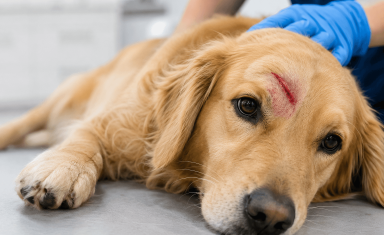
8. Facial Swelling or Discharge
Swelling beneath the eye or along the jaw can indicate a tooth root abscess or severe dental infection.
These infections are painful and won’t resolve on their own. Prompt veterinary care is important to relieve discomfort and prevent complications.
Why Early Treatment Matters
Dental disease doesn’t just affect your pet’s mouth.
As bacteria spread beneath the gumline, they can lead to:
- Chronic pain
- Tooth loss
- Bone loss around the teeth
- Oral infections
- Difficulty eating
- Reduced quality of life
In some cases, bacteria from severe periodontal disease may also affect the heart, liver, and kidneys.
Early diagnosis allows your veterinarian to treat dental disease before it becomes more advanced, often helping your pet avoid more extensive procedures later.
What Happens During a Veterinary Dental Exam?
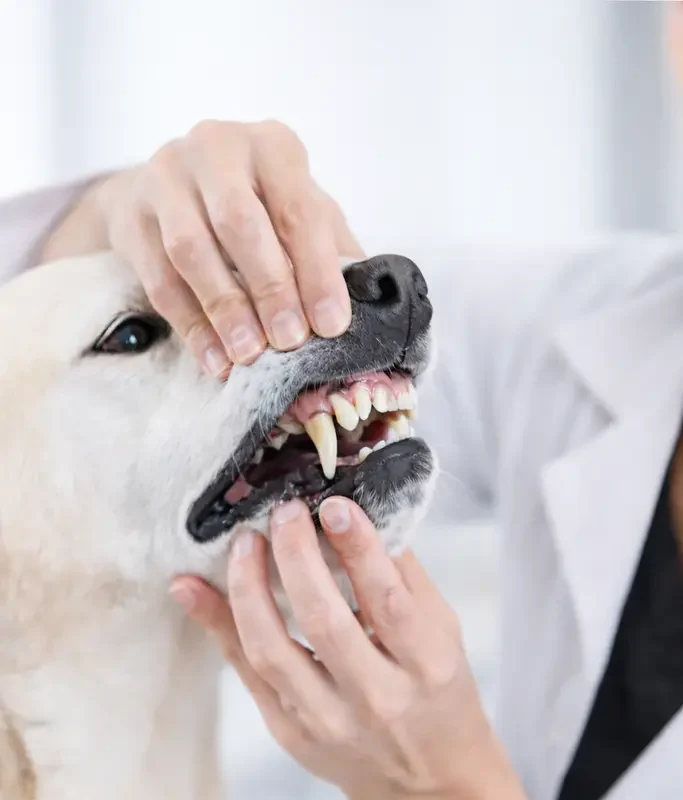
A dental exam allows your veterinarian to evaluate your pet’s oral health and identify problems that may not be visible at home.
Depending on your pet’s needs, recommendations may include:
- Professional dental cleaning
- Digital dental X-rays
- Treatment for periodontal disease
- Tooth extractions
- Pain management
- Ongoing home dental care recommendations
Many dental problems occur below the gumline, making dental radiographs an important part of diagnosing oral disease and planning treatment.
Advanced Pet Dentistry in Charlotte, NC
At Mixed Pet Veterinary Hospital, we provide advanced pet dentistry services to help prevent, diagnose, and treat dental disease in dogs and cats. From routine dental exams and professional cleanings to digital dental X-rays and pet dental extractions, our experienced veterinary team is committed to relieving oral pain and protecting your pet’s long-term health.
If you’ve noticed bad breath, changes in eating habits, or other signs of oral pain, don’t wait for the problem to worsen. Early treatment can relieve discomfort, preserve healthy teeth whenever possible, and improve your pet’s quality of life.
Schedule a dental exam today and let our team help your pet enjoy a healthier, more comfortable smile.