Ear infections are a common reason dogs and cats visit the veterinarian. While an occasional ear scratch may not be cause for concern, frequent scratching, head shaking, redness, odor, or discharge can indicate something is irritating or infecting your pet’s ear.
Dog and cat ear infections can be uncomfortable and may become more painful or difficult to treat if they aren’t addressed. Because several different conditions can cause similar symptoms, a veterinary exam is the best way to determine what’s going on and find the right treatment.
If you’re wondering whether your pet may have an ear infection, here are some of the most common signs to watch for.
What Causes Ear Infections in Dogs and Cats?
Ear infections occur when inflammation develops within the ear canal, often accompanied by an overgrowth of bacteria or yeast. While both dogs and cats can develop ear infections, they tend to be particularly common in dogs.
Several factors can contribute to an ear infection, including:
- Allergies
- Bacterial or yeast overgrowth
- Ear mites or other parasites
- Moisture trapped in the ear after swimming or bathing
- Foreign material in the ear canal
- Excessive wax or debris
- Growths or polyps
- Certain underlying skin conditions
Some pets are also naturally more prone to ear problems because of the shape of their ears, the amount of hair within the ear canal, or chronic allergies.
Identifying the underlying cause is important. Simply cleaning an infected ear may not resolve the problem, particularly if allergies or another medical condition are contributing to recurring infections.
7 Signs Your Pet May Have an Ear Infection
1. Frequent Head Shaking
One of the first signs pet owners may notice is repeated head shaking. Your dog or cat may shake their head in an attempt to relieve itching, pressure, or discomfort inside the ear.
Occasional head shaking is normal, but frequent or sudden head shaking, especially when combined with other symptoms, may indicate an ear infection or another ear problem.
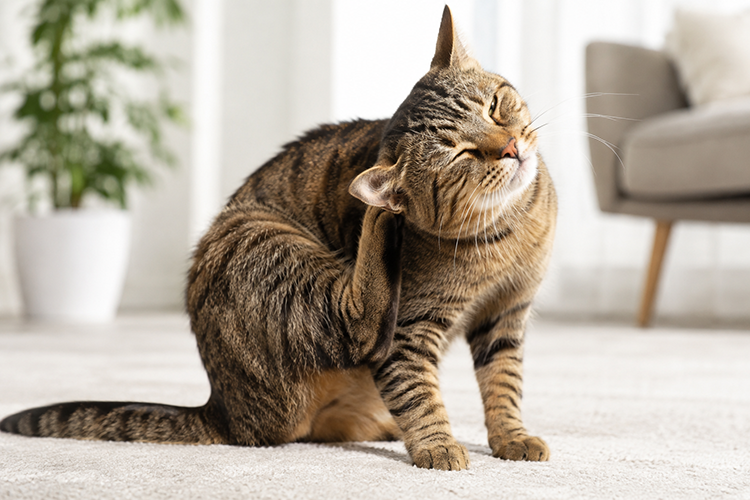
2. Scratching at the Ears
A pet with an itchy or painful ear may repeatedly scratch at it with a back paw. You may also notice your pet rubbing the side of their head against furniture, carpeting, or other surfaces.
Persistent scratching can further irritate the skin around the ear and sometimes cause scratches or sores.
3. Redness or Swelling
Healthy ears generally shouldn’t appear significantly red or inflamed. If you look at your pet’s ear and notice redness, swelling, or irritated skin around the opening of the ear canal, inflammation may be present.
Avoid inserting anything deep into the ear to investigate. A veterinarian can safely examine the ear canal and eardrum using an otoscope.
4. Unusual Ear Odor
A strong or unpleasant smell coming from your pet’s ear is another common sign of an infection.
Bacterial and yeast ear infections can both cause noticeable odors. If one or both ears suddenly smell different than usual, it’s a good idea to schedule a veterinary exam.
5. Ear Discharge or Excessive Debris
Ear infections can cause an increase in wax or discharge. Depending on the underlying problem, you might notice:
- Brown or dark debris
- Yellowish discharge
- Thick or waxy buildup
- Moisture within the ear
- Crust or debris around the ear opening
Dark, coffee-ground-like debris can also occur with ear mites, particularly in cats. Because different ear conditions can look similar at home, testing may be needed to determine the cause.
6. Pain or Sensitivity Around the Ears
Ear infections can become painful. Your pet may pull away when you touch their ear or the side of their head. Some pets may whine, become restless, or suddenly dislike having their ears handled.
Changes in behavior around ear handling shouldn’t be ignored, especially if your pet normally enjoys being scratched around the head and ears.
7. Head Tilt or Problems With Balance
A head tilt, stumbling, unusual eye movements, or difficulty maintaining balance can indicate a more serious ear problem.
These symptoms may occur when inflammation or infection affects deeper portions of the ear. Pets experiencing balance problems, significant head tilting, or other neurological symptoms should receive veterinary care promptly.
Can Allergies Cause Ear Infections in Dogs?
Yes. Allergies are a common underlying cause of recurring ear infections in dogs.
Environmental or food allergies can cause inflammation of the skin, including the sensitive skin lining the ear canals. Once the ear becomes inflamed, conditions may become more favorable for yeast or bacteria to multiply.
A dog experiencing allergy-related ear problems may also have other symptoms, such as:
- Itchy or irritated skin
- Frequent paw licking or chewing
- Redness between the toes
- Recurrent skin infections
- Hot spots
- Seasonal itching
If your dog keeps getting ear infections, treating each infection is important, but your veterinarian may also recommend investigating the underlying reason they keep returning.
What About Ear Infections in Cats?
Ear infections are less common in cats than in dogs, but they can still occur.
Cats with ear problems may scratch their ears, shake their heads, develop redness or discharge, or seem uncomfortable when their ears are touched. Ear mites are another potential cause of itchy, irritated ears, particularly in kittens and cats exposed to other animals.
Polyps, foreign material, allergies, and bacterial or yeast infections can also cause ear symptoms in cats.
Because these conditions require different treatments, it’s important to have your cat’s ears examined rather than assuming the problem is an infection.
Can I Treat My Pet’s Ear Infection at Home?
It’s best to have suspected ear infections evaluated by a veterinarian before attempting treatment at home.
Different types of ear infections may require different medications, and symptoms that look like an infection could have another cause. Your veterinarian may examine the ear canal and perform testing on a sample of ear debris to look for yeast, bacteria, mites, or other abnormalities.
Using leftover ear medication or home remedies without knowing what’s causing the problem can delay appropriate treatment. Certain products can also be unsafe if the eardrum is damaged.
Until your pet has been evaluated, avoid placing medications or cleaning solutions into a painful or inflamed ear unless your veterinarian has instructed you to do so.
When Should I Take My Pet to the Vet for an Ear Infection?
Schedule a veterinary appointment if your dog or cat has persistent head shaking, ear scratching, redness, swelling, odor, discharge, or discomfort.
You should seek veterinary care more promptly if your pet:
- Seems to be in significant pain
- Has severe swelling around the ear
- Is constantly shaking or scratching their head
- Develops a pronounced head tilt
- Is stumbling or having difficulty balancing
- Has unusual eye movements
- Seems unusually lethargic or unwell
Early treatment can help relieve discomfort and reduce the chance of inflammation becoming more severe or turning into a recurring problem.
How Are Pet Ear Infections Treated?
Treatment depends on what’s causing the ear problem. Your veterinarian will first examine the ear and may recommend testing to determine whether bacteria, yeast, parasites, or another condition is involved.
Treatment may include professional ear cleaning, medicated ear drops, medications to control inflammation, or other therapies based on the diagnosis.
For pets with chronic or recurring ear infections, your veterinarian may also look for underlying allergies, skin disease, or other factors contributing to repeated flare-ups.
Ear Infection Care for Dogs and Cats in Charlotte, NC
If your dog won’t stop shaking their head, your cat is scratching at their ears, or you’ve noticed redness, discharge, or an unusual odor, don’t wait for the problem to become more uncomfortable.
At Mixed Pet Veterinary Hospital, our team can evaluate dog and cat ear infections and other ear and skin-related conditions to determine what’s causing your pet’s symptoms and recommend appropriate treatment.
We also provide dermatology and allergy care for pets experiencing recurring ear infections, itching, skin infections, and other allergy-related concerns.
Concerned your pet may have an ear infection? Schedule an appointment with Mixed Pet Veterinary Hospital in Charlotte, NC, so we can help get them feeling comfortable again.
Frequently Asked Questions About Pet Ear Infections
How can I tell if my dog has an ear infection?
Common signs of a dog ear infection include frequent head shaking, scratching at the ears, redness, swelling, odor, discharge, excessive wax, and sensitivity when the ear is touched. A veterinarian can examine the ear and determine whether an infection or another condition is causing the symptoms.
What does a dog ear infection look like?
An infected ear may appear red, swollen, irritated, or unusually moist. You may also notice brown, yellow, or dark discharge or excessive wax. Appearance alone can’t reliably determine what is causing the problem, so a veterinary exam is recommended.
What causes recurring ear infections in dogs?
Recurring dog ear infections can be associated with allergies, chronic skin inflammation, ear anatomy, excessive moisture, or other underlying conditions. If your dog frequently develops ear infections, your veterinarian may recommend evaluating potential underlying causes in addition to treating the current infection.
Can cats get ear infections?
Yes. Although ear infections are generally less common in cats than dogs, cats can develop bacterial or yeast infections as well as other ear problems, including ear mites and polyps. Head shaking, scratching, redness, odor, and discharge should be evaluated by a veterinarian.
Is a pet ear infection an emergency?
Many uncomplicated ear infections can be handled during a regular or same-day veterinary appointment. However, severe pain, significant swelling, a pronounced head tilt, loss of balance, unusual eye movements, or other concerning symptoms warrant prompt veterinary attention.
Will a pet ear infection go away on its own?
It’s not a good idea to wait for a suspected ear infection to resolve on its own. Untreated inflammation and infection can become increasingly uncomfortable and may lead to more significant ear problems. Veterinary treatment can address the current symptoms while also helping identify the underlying cause.