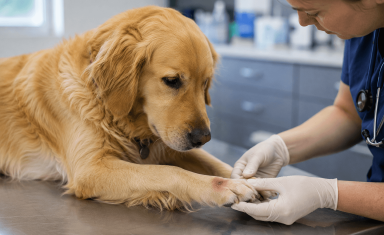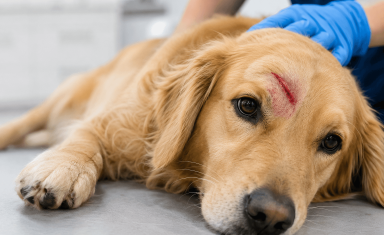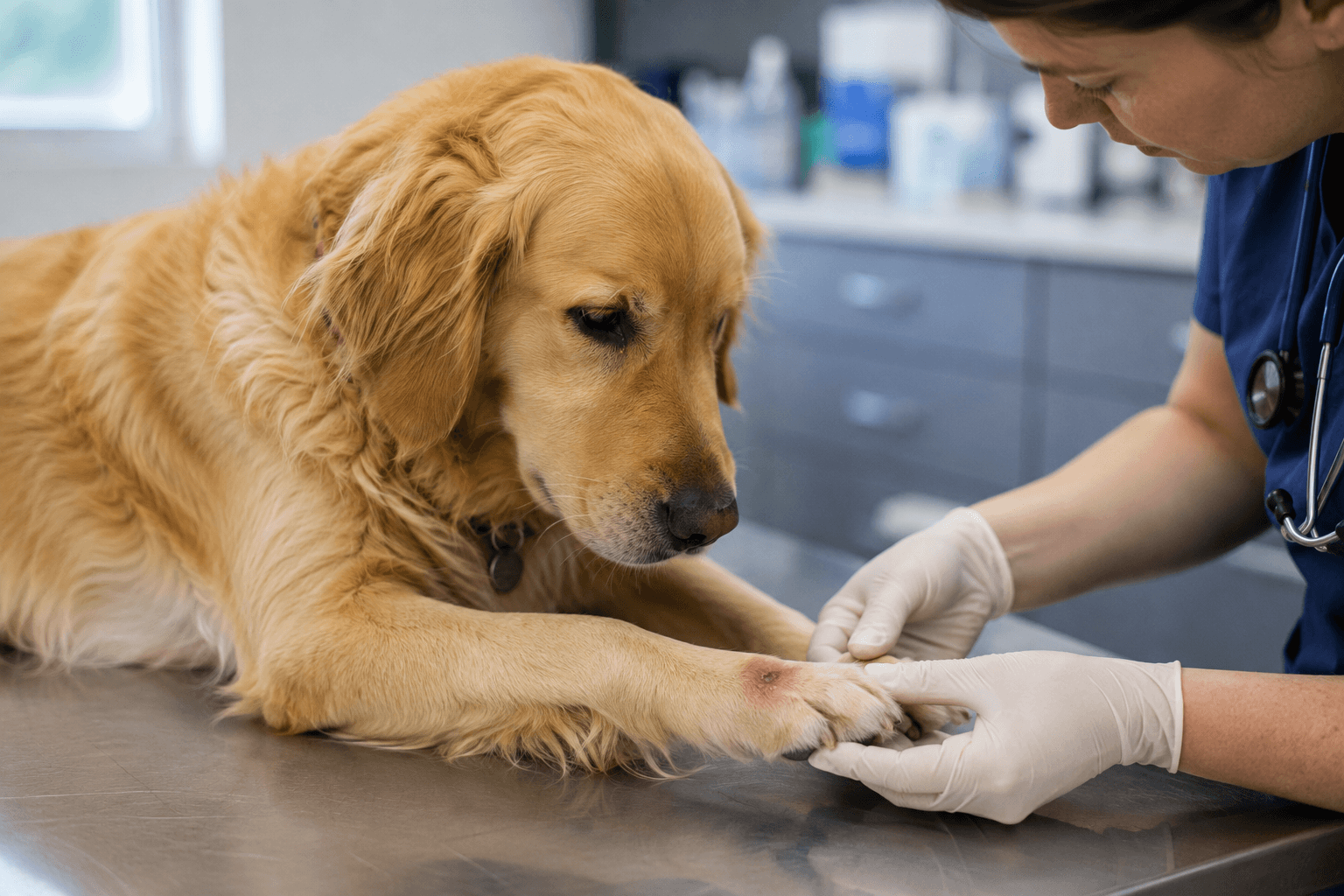
A deep cut or open wound can sometimes require more than basic wound care or a few stitches. Depending on the depth, location, and severity of the injury, your veterinarian may recommend laceration repair surgery to thoroughly clean the wound, address damaged tissue, and help it heal properly.
At Mixed Pet Veterinary Hospital in Charlotte, NC, our team provides surgical care for dogs and cats, including treatment for wounds and lacerations. If your pet has been injured, here’s what to know about laceration repair surgery and what you can expect from treatment and recovery.
What Is Laceration Repair Surgery?
Laceration repair surgery is a veterinary procedure used to treat cuts or tears in the skin and underlying tissue that require more extensive care than a superficial wound.
The procedure can involve cleaning and flushing the injury, removing damaged tissue, evaluating structures beneath the skin, and closing the wound with sutures.
Not every laceration requires surgery. The appropriate treatment depends on factors such as the wound’s depth, location, age, level of contamination, and whether underlying tissue has been damaged.
When Does a Pet Need Laceration Repair Surgery?
Small, superficial cuts may be able to heal with minimal treatment. Deeper or more complicated wounds may require surgical repair.
Your veterinarian may recommend laceration repair surgery when a wound:
- Is deep or gaping
- Extends into tissue beneath the skin
- Has significant tissue damage
- Contains dirt, debris, or foreign material
- Requires extensive cleaning
- Is located over a joint or another high-movement area
- Is unlikely to heal properly without surgical closure
- Was caused by significant trauma
- Requires damaged tissue to be removed before closure
What Happens During Laceration Repair Surgery?
Every injury is different, so treatment is tailored to the individual wound. In general, laceration repair surgery may include several steps.
Examining the Wound
Your veterinarian will evaluate the location, depth, and severity of the laceration and look for signs of contamination or damage beneath the skin.
This is important because what you can see on the surface doesn’t always show the full extent of an injury.
Sedation or Anesthesia
Lacerations can be painful, and properly cleaning and repairing a wound requires your pet to remain still.
Depending on the location and severity of the wound and the extent of the repair, sedation or anesthesia may be used to keep your pet comfortable and allow the veterinary team to thoroughly treat the injury.
Cleaning and Flushing the Wound
The fur surrounding the injury may be clipped to provide better access to the wound.
The area can then be thoroughly cleaned and flushed to remove blood, dirt, bacteria, and other contaminants before it is repaired.
Removing Damaged Tissue
Some injuries result in tissue that is too damaged to heal normally.
During laceration repair surgery, your veterinarian may remove damaged or nonviable tissue when necessary. This can help create healthier wound edges and support proper healing.
Closing the Laceration
Once the wound has been evaluated and cleaned, the veterinarian will determine the safest method of closure.
Some lacerations can be closed with external sutures or staples. Deeper wounds may require multiple layers of sutures to repair tissue beneath the skin before the surface is closed.
Does Every Laceration Get Stitched Closed?
No. Although stitches are commonly associated with laceration repair surgery, immediately closing a wound isn’t always the safest approach.
A heavily contaminated or infected wound may sometimes need to remain partially or completely open so that it can drain and be monitored. Your veterinarian may recommend managing the wound until it is appropriate to close or allowing it to heal through another method.
The best approach depends on the type of injury and the condition of the surrounding tissue.
Do Bite Wounds Require Laceration Repair Surgery?
Some bite wounds may require surgical treatment, but the decision depends on the extent of the injury.
Bite wounds can be deceptive because a tooth may leave only a small opening at the surface while causing tissue damage and introducing bacteria beneath the skin.
Veterinary treatment may involve flushing the wound, removing damaged tissue, placing a drain, prescribing appropriate medications, or surgically repairing the injury.
If your dog or cat has been bitten by another animal, it’s a good idea to have the injury evaluated even if the visible wound looks small.
What Is Recovery Like After Laceration Repair Surgery?
Recovery depends on the location and severity of your pet’s injury and the type of repair performed.
Your veterinarian will provide specific instructions for caring for the wound at home. These may include:
- Keeping the surgical area clean and dry
- Preventing your pet from licking or chewing the wound
- Limiting running, jumping, and rough play
- Giving prescribed medications as directed
- Checking the repair daily for changes
- Returning for recommended rechecks
- Having external sutures or staples removed when instructed
An Elizabethan collar or another protective device may be necessary to keep your pet from disturbing the repair.
Following activity restrictions is also important. Too much movement can place tension on the healing tissue and potentially cause the wound to reopen.
What Should I Watch for While My Pet’s Laceration Heals?
Some mild redness or swelling may occur shortly after surgery, but the wound should generally improve as it heals.
Contact Mixed Pet Veterinary Hospital if you notice:
- Increasing redness or swelling
- Discharge or pus
- An unpleasant odor
- Persistent or new bleeding
- Increasing pain
- Missing or damaged stitches
- Separation of the wound edges
- Excessive licking or chewing
- Changes in your pet’s energy, appetite, or behavior
If something about the wound doesn’t look right, contact your veterinary team rather than waiting for the next scheduled recheck.
What Happens If My Pet Pulls Out a Stitch?
If your pet manages to remove a stitch or the wound begins to open, contact your veterinarian.
Whether another repair is necessary depends on how much of the wound has opened, its location, and how far your pet is into the healing process.
Don’t attempt to close the wound yourself or apply household products unless directed by your veterinarian.
How Soon Should a Laceration Be Treated?
If your dog or cat has a significant cut, it’s best to have the wound evaluated promptly.
As a wound remains open, contamination and bacterial growth can affect how it can safely be treated. Delaying care may also allow swelling or infection to develop.
If you think your pet’s wound is deep enough to require stitches or surgical repair, contact your veterinarian rather than waiting to see whether it heals on its own.
Laceration Repair Surgery for Dogs and Cats in Charlotte, NC
When a deep cut or open wound requires more extensive treatment, timely veterinary care can help reduce complications and support proper healing.
Mixed Pet Veterinary Hospital provides laceration repair surgery for dogs and cats in Charlotte, NC, along with veterinary care for wounds, bite injuries, and other unexpected injuries.
Our veterinary team serves pets throughout Charlotte, Ballantyne, Pineville, Matthews, and surrounding communities.
If your dog or cat has a deep cut, open wound, or injury that may require laceration repair surgery, contact Mixed Pet Veterinary Hospital to discuss your pet’s injury and the appropriate next steps.