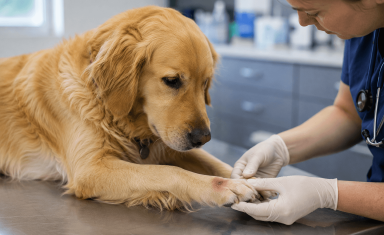
An occasional scratch is normal for dogs and cats. But if your pet is scratching constantly, licking or chewing at their skin, rubbing their face, or keeping you awake with nonstop itching, something may be irritating their skin.
Excessive scratching can have many causes, from fleas and environmental allergies to ear infections and other skin conditions. Because several of these problems can cause similar symptoms, determining why your pet is so itchy often requires a veterinary exam.
If your dog or cat is suddenly scratching more than usual, here are some of the most common causes of itching in pets and signs it may be time to schedule a veterinary visit.
Signs Your Pet May Be Excessively Itchy
Scratching isn’t the only sign that your pet’s skin is bothering them. Dogs and cats may respond to itching or irritation in several different ways.
Watch for:
- Frequent or persistent scratching
- Licking or chewing the paws
- Biting or chewing at the skin
- Rubbing the face or body against furniture or carpet
- Frequent head shaking or ear scratching
- Red or irritated skin
- Hair loss or thinning fur
- Scabs, bumps or crusty areas
- Moist, irritated patches of skin
- Changes in skin odor
If these behaviors are becoming frequent or your pet is damaging their skin, it’s worth finding out what’s causing the irritation.
1. Environmental Allergies
Just like people, dogs and cats can react to allergens in their environment. Common triggers include pollen, grasses, weeds, mold and dust mites.
Environmental allergies may be seasonal, with symptoms becoming worse during certain times of year, or they can affect pets year-round.
Pets with environmental allergies may experience:
- Itchy paws
- Paw licking or chewing
- Red or irritated skin
- Face rubbing
- Recurrent ear problems
- Itching around the belly, legs or underarms
Repeated itching can also damage the skin barrier, potentially allowing secondary infections to develop.
2. Fleas and Flea Allergy Dermatitis
Fleas are another common cause of itching in dogs and cats. Some pets are particularly sensitive to flea saliva, a condition known as flea allergy dermatitis.
For these pets, even a small number of flea bites can cause significant itching and irritation.
You may notice intense scratching or chewing, especially around the lower back, tail and hind legs. Fleas aren’t always easy to spot, so not seeing them on your pet doesn’t necessarily rule them out.
Consistent flea prevention is one of the best ways to protect pets from flea-related itching.
3. Food Allergies
Food allergies are less common than environmental allergies, but they can cause persistent skin problems in some pets.
Pets with food allergies may experience year-round itching, recurrent ear infections, paw licking or skin irritation. Some may also have digestive symptoms.
Because food allergies can look similar to other skin conditions, diagnosing them usually requires veterinary guidance. Your veterinarian may recommend a carefully controlled elimination diet rather than simply switching between over-the-counter foods.
4. Skin Infections
Bacterial and yeast infections can make your pet extremely itchy. These infections sometimes develop after allergies or another underlying condition causes a pet to repeatedly scratch, lick or chew their skin.
Signs of a possible skin infection include:
- Redness
- Hair loss
- Scabs or crusting
- Pimples or bumps
- Greasy or flaky skin
- Unusual odor
- Persistent licking or scratching
Some dogs may also develop hot spots, which are red, moist and irritated areas that can worsen quickly.
Skin infections often require veterinary treatment, and identifying the underlying reason for the infection can help reduce the likelihood that it returns.
5. Ear Infections
If your pet seems especially itchy around their ears or face, an ear infection could be responsible.
Dogs and cats with an ear infection may:
- Scratch at their ears
- Shake their head frequently
- Rub their face or ears against furniture
- Have red or irritated ears
- Develop discharge or an unusual odor from the ear
- Pull away when their ears are touched
Ear infections in animals can be uncomfortable and may worsen without treatment. Recurrent ear infections can also be associated with underlying allergies.
6. Mites and Other Parasites
Fleas aren’t the only parasites that can cause itching. Certain mites can lead to significant skin irritation, hair loss, redness or crusting.
Some parasites can spread between animals, and certain types may even temporarily affect people. A veterinary exam and appropriate testing can help determine whether parasites are responsible for your pet’s symptoms.
Why Is My Dog Constantly Scratching but Doesn’t Have Fleas?
This is a common question, and fleas are only one possible cause of itching in dogs.
If your dog is constantly scratching but you haven’t seen fleas, allergies, skin infections, ear infections or other parasites could be responsible. In some cases, more than one issue is happening at the same time.
Rather than assuming your dog has allergies or repeatedly changing foods, a vet exam can help narrow down the cause and determine the appropriate treatment.
When Should I Take My Pet to the Vet for Itching?
Mild, occasional scratching doesn’t usually require an urgent veterinary visit. But persistent or intense itching shouldn’t be ignored.
Schedule an appointment if your pet:
- Is scratching, licking or chewing persistently
- Is losing hair
- Has red, inflamed or damaged skin
- Develops sores, scabs or hot spots
- Has an unusual skin or ear odor
- Is frequently shaking their head or scratching their ears
- Seems uncomfortable or can’t settle because of the itching
- Has symptoms that keep returning
Seek veterinary care promptly if your pet develops significant facial swelling, difficulty breathing, widespread hives or another sudden severe reaction.
Veterinary Care for Itchy Dogs and Cats in Charlotte, NC
When your pet won’t stop scratching, treating the itch is only part of the solution. Finding out why your pet is itchy can help provide more effective relief and prevent recurring skin and ear problems.
At Mixed Pet Veterinary Hospital, we evaluate dogs and cats with itching, allergies, ear problems, skin infections and other dermatologic concerns. Depending on your pet’s symptoms, our team can help determine the likely cause and recommend an individualized treatment plan.
If your dog or cat is suddenly uncomfortable, you don’t necessarily have to wait days for an appointment. Same-day appointments may be available for pets experiencing itching, skin irritation, ear problems and other concerns.
Contact Mixed Pet Veterinary Hospital in Charlotte, NC, to schedule an appointment and help your pet get some relief.