Dogs and cats can get cuts in all kinds of ways. A run through the backyard, an encounter with another animal, a sharp object on a walk, or even an everyday accident around the house can leave your pet with an unexpected wound.
Some small scrapes can be monitored at home, but deeper cuts and pet lacerations may require veterinary treatment to control bleeding, prevent infection, and help the wound heal properly.
If your dog or cat has a cut, how do you know when it’s time to see a veterinarian?
At Mixed Pet Veterinary Hospital in Charlotte, NC, we evaluate minor injuries and wounds and offer same-day appointments whenever possible. Here are some signs that your pet’s cut may need veterinary care.
What Is a Laceration in Dogs and Cats?
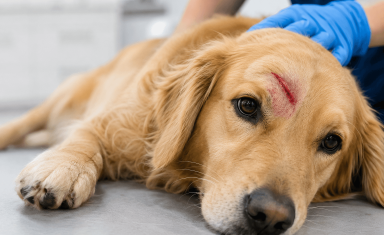
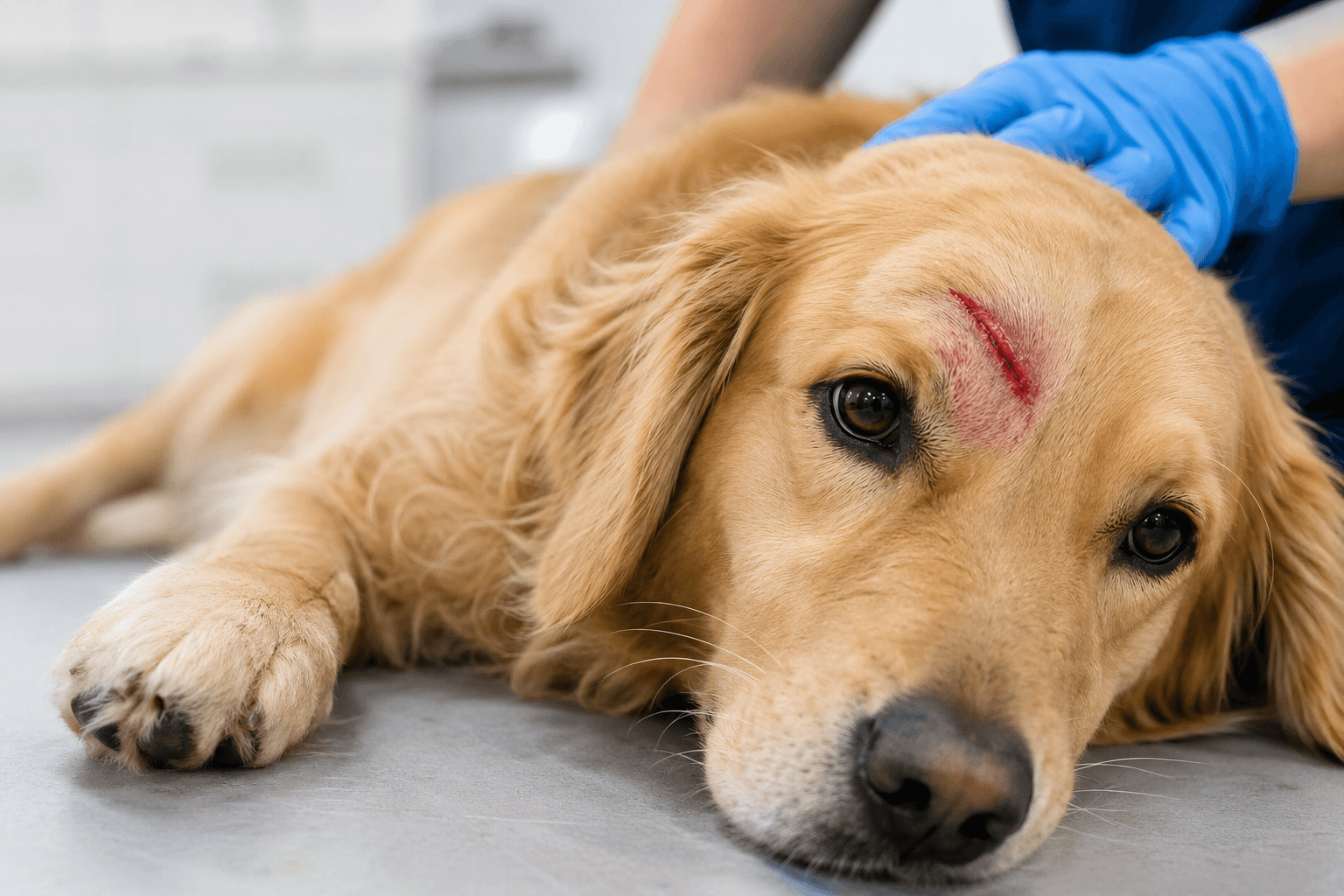
A laceration is a cut or tear in the skin. Pet lacerations can range from small, shallow wounds to deep injuries involving tissue beneath the skin.
Common causes of lacerations in dogs and cats include:
- Sharp objects such as glass, metal, sticks, or fencing
- Rough play or accidents
- Bites or scratches from other animals
- Outdoor injuries
- Cuts to the paws or paw pads
- Trauma from running into or brushing against an object
Even a wound that looks relatively small on the surface can sometimes extend deeper than expected. Fur can also make it difficult to see the full size of a wound, especially on dogs or cats with thick coats.
Does My Dog or Cat Need Stitches?
One of the biggest questions pet owners have after discovering a cut is whether their pet needs stitches.
Not every wound needs to be sutured. However, your veterinarian may recommend stitches or another form of wound closure if a laceration is deep, large, gaping, or located in an area where normal movement makes healing difficult.
Your pet should be examined by a veterinarian if the wound:
- Has edges that pull apart or gape open
- Appears deep
- Exposes tissue beneath the skin
- Continues to bleed
- Is located over a joint or another high-movement area
- Is on the face, near an eye, or on a paw pad
- Was caused by an animal bite
- Contains dirt, debris, or another foreign material
- Is painful or causing your pet to limp or avoid using part of their body
It’s not always possible to tell whether a pet needs stitches just by looking at the wound at home. A veterinary examination can determine how deep the injury is and the best way to treat it.
When Should I Take My Pet to the Vet for a Cut?
A very superficial scrape may not require veterinary treatment. However, cuts that are more than minor surface injuries should generally be evaluated.
Bleeding That Doesn’t Stop
Apply gentle pressure to the wound with clean gauze or a clean cloth. If the wound continues to bleed despite consistent pressure, your pet needs prompt veterinary attention.
Heavy or uncontrolled bleeding should be treated as an emergency.
A Deep or Gaping Cut
If you can see deeper tissue or the edges of the wound remain separated, the injury may need professional cleaning and closure.
Prompt treatment is important because some wounds become more difficult to close after they have been open for an extended period.
A Bite Wound
Dog and cat bites can be deceptive. A puncture may look small from the outside while bacteria and tissue damage exist beneath the skin.
Because bite wounds can become infected or develop an abscess, it’s a good idea to have your pet examined after an animal bite even if the visible injury doesn’t look severe.
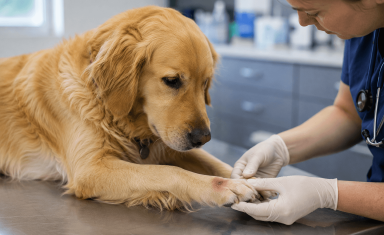
A Cut on the Paw or Paw Pad
Charlotte’s many sidewalks, trails, parks, and backyards give dogs plenty of opportunities to explore — and occasionally step on something sharp.
Paw pad lacerations can be particularly troublesome because your pet puts pressure on the area every time they walk. Movement can cause the wound to reopen, and contact with the ground can introduce dirt and bacteria.
If your dog has a deep paw cut, persistent bleeding, significant limping, or won’t put weight on the affected paw, schedule a veterinary examination.
Signs of Infection
Sometimes a pet’s wound isn’t discovered immediately. Other times, a small injury begins to look worse over the next few days.
Signs that a wound may be infected include:
- Increasing redness
- Swelling
- Heat around the wound
- Discharge or pus
- An unpleasant odor
- Increasing pain
- Excessive licking
- Lethargy or changes in behavior
If you notice these changes, don’t wait for the wound to heal on its own. Veterinary treatment may be needed to address the infection and prevent it from worsening.
What Should I Do If My Dog or Cat Gets Cut?
If you discover a wound, keep your pet calm and safely examine the area if they’ll allow you to do so.
For a minor injury, you can gently cover the area with clean gauze or a clean cloth. If it’s bleeding, apply steady, gentle pressure.
Avoid putting household medications, ointments, disinfectants, or other products on the wound unless your veterinarian has instructed you to use them. Some products that are commonly used on human injuries aren’t appropriate for pets.
You should also try to prevent your pet from licking or chewing the wound until it can be evaluated.
If you’re unsure how serious the injury is, call your veterinarian and describe what you’re seeing. They can help determine the appropriate next step.
How Does a Veterinarian Treat a Pet Laceration?
Treatment depends on the location, depth, age, and severity of the wound.
Your veterinarian will first examine the injury to determine how much tissue is involved and check for contamination, infection, or additional trauma.
Treatment may include:
- Cleaning and flushing the wound
- Removing debris or damaged tissue
- Clipping fur surrounding the injury
- Pain management
- Stitches or another method of wound closure
- Bandaging when appropriate
- Medications when medically indicated
- Instructions for monitoring and caring for the wound at home
Deeper wounds may require sedation or anesthesia so the area can be thoroughly cleaned and repaired without causing additional pain or stress.
Mixed Pet Veterinary Hospital also provides surgical wound repair when a cut, bite, abscess, or other injury requires more extensive treatment.
Urgent Care or Emergency Vet: Where Should I Go?
Many pet lacerations can be treated through an urgent or same-day veterinary appointment, particularly when your pet is otherwise stable.
A same-day veterinary visit may be appropriate for:
- Minor to moderate cuts
- Paw injuries
- Small bite wounds
- Wounds that may need stitches
- Mild bleeding that can be controlled
- Wounds showing early signs of infection
However, some injuries require emergency veterinary care.
Seek emergency care immediately if your pet has uncontrolled or severe bleeding, has experienced major trauma, is having difficulty breathing, collapses, appears extremely weak, or has another potentially life-threatening injury.
When you’re unsure, call a veterinary professional for guidance rather than waiting to see if a serious injury improves.
Same-Day Care for Pet Cuts and Lacerations in Charlotte, NC
When your dog or cat is injured, you shouldn’t have to guess whether a wound needs treatment.
Mixed Pet Veterinary Hospital provides veterinary care for dogs and cats in Charlotte, Ballantyne, Pineville, Matthews, and surrounding communities. Our team offers same-day appointments whenever possible for minor injuries and other health concerns that need prompt attention.
If your pet has a cut, laceration, bite wound, or other injury, call our team to discuss their symptoms and check same-day appointment availability.
Need a vet for your pet’s wound? Contact Mixed Pet Veterinary Hospital in Charlotte, NC to schedule an appointment.
Frequently Asked Questions About Pet Lacerations
How do I know if my dog’s cut needs stitches?
Deep or gaping wounds, cuts with exposed tissue, wounds that continue bleeding, and injuries in areas that move frequently may require stitches. Because the depth of a wound isn’t always obvious, contact your veterinarian if you’re unsure.
Can a dog’s cut heal without stitches?
Some small, superficial wounds can heal without stitches. Deeper or contaminated wounds may require cleaning, closure, medication, or other veterinary treatment. A veterinarian can determine the safest way for the wound to heal.
How long can a dog wait to get stitches?
Don’t delay veterinary care if you think your dog may need stitches. As a wound remains open, contamination and infection can affect how it can be treated. Contact your veterinarian as soon as possible after discovering a significant cut.
Should I take my dog to the vet for a small cut?
Very minor surface scrapes may be monitored at home, but a cut should be evaluated if it’s deep, painful, contaminated, swollen, caused by a bite, won’t stop bleeding, or begins showing signs of infection.
What should I do if my cat has an open wound?
Keep your cat indoors and prevent licking or scratching of the area. If the wound is deep, bleeding, swollen, painful, caused by another animal, or showing signs of infection, contact your veterinarian for an examination.
Can a bite wound get infected even if it’s small?
Yes. Bite wounds can push bacteria beneath the skin while leaving only a small puncture on the surface. These wounds can become infected or form an abscess, so veterinary evaluation is recommended.