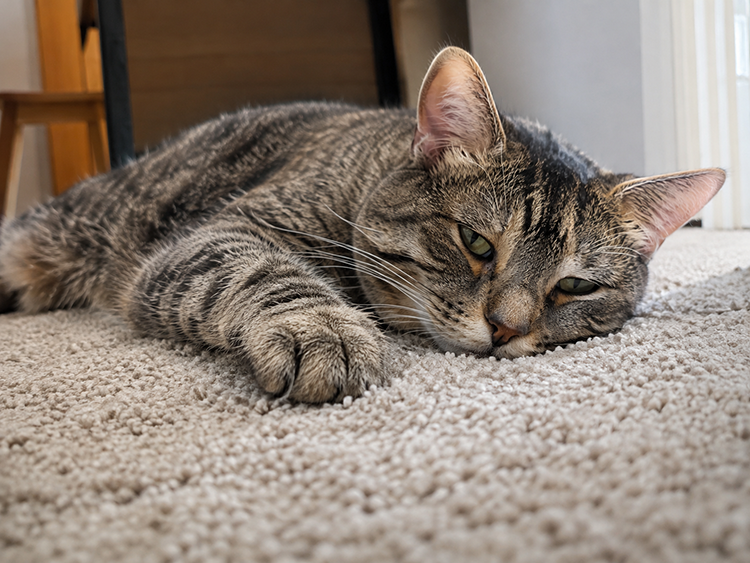
Cats love their naps, often sleeping 12 to 16 hours a day. But what happens when your normally playful cat suddenly seems tired, withdrawn, or uninterested in their favorite activities?
While cats naturally spend much of their day resting, unusual changes in energy levels can sometimes indicate an underlying health concern. If you’ve been wondering, “Why is my cat lethargic?” it’s important to understand the difference between normal sleepiness and symptoms that may require veterinary attention.
At Mixed Pet Veterinary Hospital in Ballantyne, Charlotte, NC, we help pet owners recognize changes in their cats’ health and determine when veterinary care is needed.
What Is Lethargy in Cats?
Lethargy in cats refers to an unusual decrease in energy, activity, or responsiveness. Unlike a cat that’s simply enjoying a long nap, a lethargic cat may seem unusually tired even after resting.
A healthy cat typically responds to familiar sounds, favorite treats, or opportunities to play. A lethargic cat may show little interest in activities they normally enjoy.
The key difference is a noticeable change from your cat’s usual behavior. Some cats are naturally relaxed, while others are constantly exploring. Knowing what’s normal for your cat can help you identify when something isn’t right.
What Does Lethargy Look Like in Cats?
Because cats are naturally good at hiding discomfort, lethargy isn’t always immediately obvious.
Common lethargic cat symptoms include:
- Sleeping significantly more than usual
- Showing little interest in playing or exploring
- Hiding or avoiding family members
- Moving slowly or appearing weak
- Reduced interest in food or water
- Neglecting normal grooming habits
- Being less responsive to familiar sounds or attention
For example, a cat that normally greets you at the door but suddenly stays hidden under the bed may be showing signs of illness.
If you notice several of these changes, particularly if they develop suddenly, contact your veterinarian.
6 Common Causes of Lethargy in Cats
There are many reasons a cat might become lethargic. Some are relatively mild, while others require prompt medical attention.
1. Illness or Infection
Viral and bacterial infections can cause cats to become unusually tired as their bodies respond to illness.
Respiratory infections, for example, may cause lethargy alongside sneezing, nasal discharge, fever, or reduced appetite.
Even indoor cats can develop infections, so don’t dismiss symptoms simply because your cat rarely goes outside.
2. Dehydration
Dehydration can contribute to weakness and reduced energy, especially when cats aren’t drinking enough water or are losing fluids through vomiting or diarrhea.
Signs may include dry or tacky gums, reduced appetite, and decreased activity.
Dehydration can develop alongside other medical problems and may require veterinary treatment.
3. Pain or Injury
Cats often hide signs of pain, making changes in behavior particularly important.
A cat experiencing discomfort from an injury, arthritis, dental disease, or another painful condition may become less active, avoid jumping, or withdraw from interaction.
You may also notice changes in posture, grooming, or how your cat moves around the house.
4. Kidney Disease or Other Medical Conditions
Underlying medical conditions, including kidney disease, diabetes, anemia, and heart disease, can contribute to lethargy in cats.
These conditions may also cause changes in appetite, thirst, urination, or weight.
Because symptoms can overlap, a veterinary examination and diagnostic testing may be necessary to identify the cause.
5. Stress or Environmental Changes
Cats thrive on routine, and changes in their environment can affect their behavior.
Moving to a new home, introducing another pet, or changing household routines may cause a cat to become withdrawn or less active.
However, stress shouldn’t automatically be assumed to be the cause of lethargy. If your cat seems physically unwell or symptoms persist, schedule a veterinary evaluation.
6. Medication Side Effects
Certain medications, sedatives, and treatments can temporarily affect your cat’s energy levels.
Mild tiredness may also occur following some veterinary procedures or vaccinations.
If your cat becomes unusually lethargic after receiving medication or treatment, contact your veterinarian to determine whether the reaction is expected.
Why Is My Cat Suddenly Lethargic and Not Eating?
A cat that’s suddenly lethargic and refusing food deserves particular attention.
Loss of appetite combined with low energy can indicate nausea, pain, infection, or another underlying medical condition.
Cats are especially vulnerable to complications from prolonged periods without adequate nutrition, including hepatic lipidosis, commonly called fatty liver disease.
If your cat is lethargic and not eating, contact your veterinarian the same day. Don’t wait several days to see whether their appetite returns.
If your cat is also vomiting repeatedly, having difficulty breathing, or showing signs of severe weakness, seek emergency veterinary care.
When Should I Worry About My Cat Being Lethargic?
Not every sleepy cat needs an emergency appointment. However, lethargy that represents a significant change in behavior should never be ignored.
Contact your veterinarian right away if your cat:
- Is noticeably less active than normal
- Refuses food or water
- Hides continuously or avoids interaction
- Experiences vomiting or diarrhea
- Shows signs of pain or difficulty moving
- Has persistent or worsening lethargy
Seek emergency veterinary care immediately if your cat is difficult to wake, collapses, struggles to breathe, has pale or blue gums, experiences seizures, or repeatedly strains to urinate without producing urine.
Sudden, severe lethargy can be a sign of a serious medical emergency.
What Should I Do if My Cat Is Lethargic?
If your cat seems unusually tired, start by observing their behavior and checking for additional symptoms.
Monitor whether they’re eating, drinking, using the litter box, and responding to their surroundings.
Provide a quiet, comfortable place to rest and make sure fresh water is available. Avoid forcing food or administering human medications.
It’s also helpful to note when the symptoms started and whether anything has changed in your cat’s environment or routine.
These details can help your veterinarian evaluate potential causes.
Because lethargy can have many explanations, an examination is often the best way to determine what’s happening.
Frequently Asked Questions About Lethargy in Cats
Is my cat lethargic or just tired?
A tired cat typically wakes up, responds normally, and participates in familiar activities after resting. A lethargic cat may remain unusually inactive, withdrawn, or uninterested in food and play.
Can dehydration cause lethargy in cats?
Yes. Dehydration can cause weakness and reduced energy. Cats experiencing vomiting, diarrhea, or reduced water intake may be particularly vulnerable.
Why is my indoor cat suddenly lethargic?
Indoor cats can develop infections, dental problems, kidney disease, and other medical conditions. Sudden lethargy should be evaluated even if your cat hasn’t been exposed to outdoor hazards.
How long is too long for a cat to be lethargic?
There’s no single safe waiting period. Sudden or significant lethargy warrants a prompt call to your veterinarian, especially when accompanied by other symptoms. Severe weakness or difficulty breathing requires emergency care.
Concerned About a Lethargic Cat? Visit Mixed Pet in Charlotte, NC
If your cat is unusually tired, hiding, or showing changes in appetite or behavior, the veterinary team at Mixed Pet Veterinary Hospital is here to help.
Conveniently located on Rea Road in Ballantyne, we care for cats and dogs throughout Charlotte, Pineville, Matthews, Waxhaw, Weddington, and surrounding communities.
Our team can evaluate your cat’s symptoms, recommend appropriate diagnostic testing, and develop a treatment plan based on their individual needs.
Same-day and next-day appointments may be available, depending on scheduling.
Don’t ignore unexpected changes in your cat’s energy or behavior. Contact Mixed Pet Veterinary Hospital to schedule an appointment and get the answers you need.